You signed in with another tab or window. Reload to refresh your session.You signed out in another tab or window. Reload to refresh your session.You switched accounts on another tab or window. Reload to refresh your session.Dismiss alert
Let's learn about Gamefi via these 149 free blog posts. They are ordered by HackerNoon reader engagement data. Visit the /Learn or LearnRepo.com to find the most read blog posts about any technology.
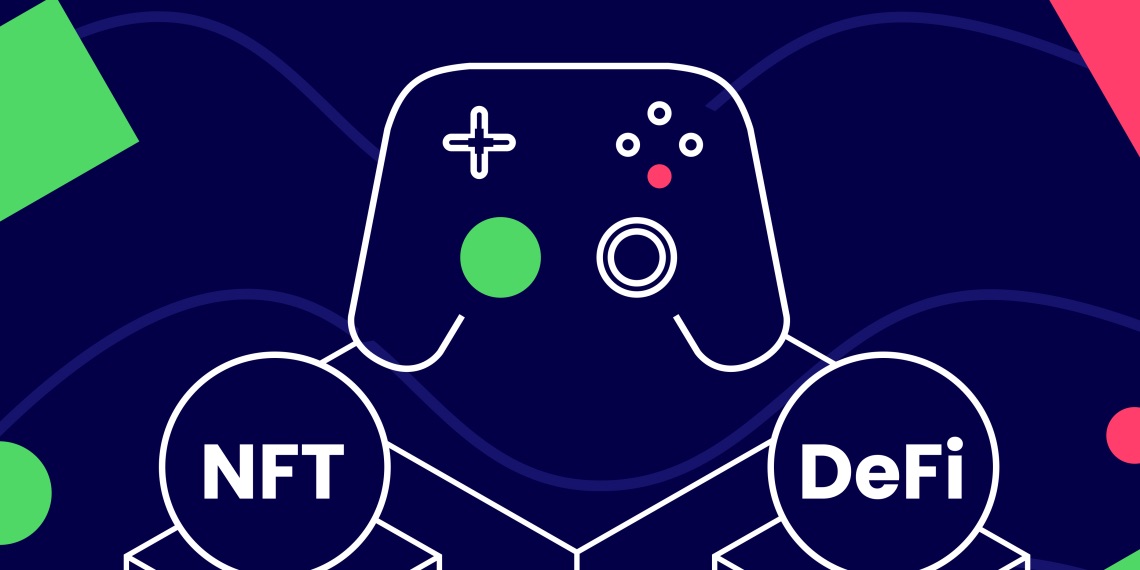
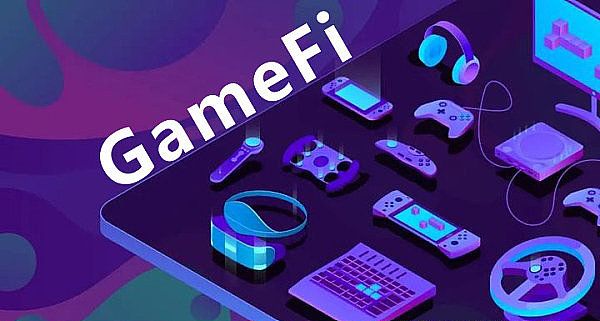
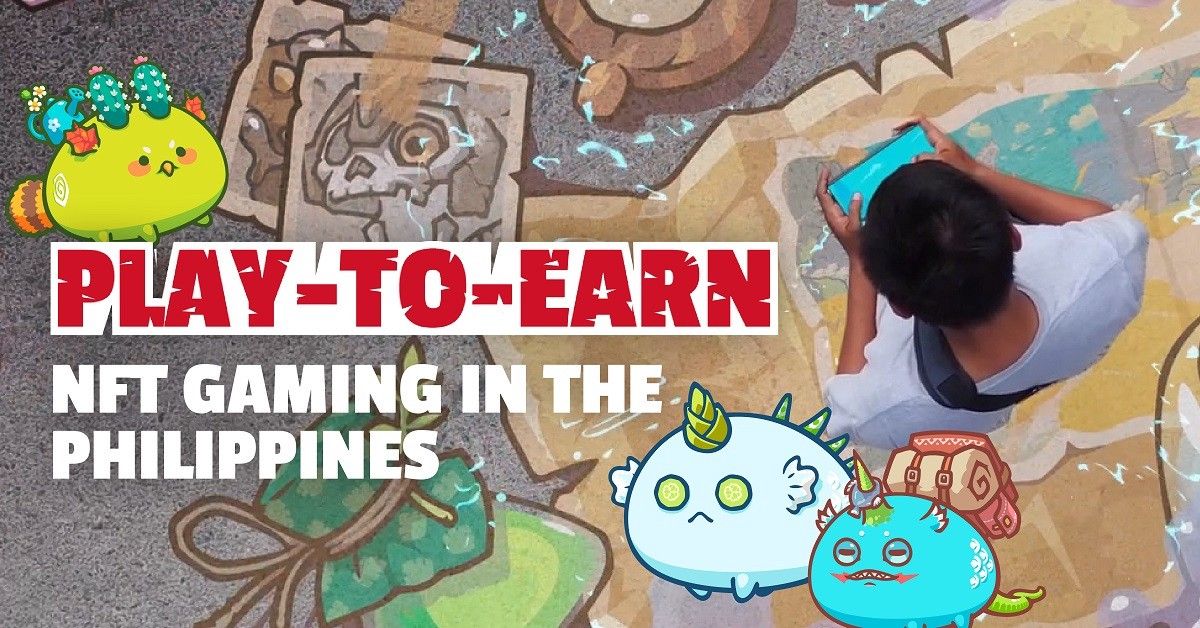
GameFi combines gaming with decentralized finance (DeFi), allowing players to earn cryptocurrency and NFTs through playing games. It introduces a "play-to-earn" model, empowering players with digital ownership and economic incentives within virtual worlds.
How to start playing with the new Play2Earn/GameFi games like Axie Infinity, Ember Sword and more as well as how to analyse these games for your research.
IGOs are Initial Game Offerings - a new way of fundraising for blockchain gaming projects. It's suitable for Play2Earn (Play to Earn) and crypto projects.
The most anticipated Gamefi opportunity unites 3 major launchpads providing multi-million user base, top KOLs & partners network to optimise ROI performance.
Most blockchain games are barely playable and severely lack the quality traditional gamers expect. Here are some games that can potentially be a solution.
Blockchain gaming's in a nascent stage but poised for a massive Web3 gaming revolution. There are fundamental considerations involved when Game meets Chain.
Whether you select Donkey Kong to race and throw around bananas in Mario Kart or take a lot of time creating a photo-realistic wastelander with a lot of cool scars in Fallout 4, well-developed characters are essential to any game because they serve as an emotional bridge between the player and the screen. Most players prefer to specialize in a unique character that matches their gaming style or simply because they like the vibe of the character. This phenomenon is known among gamers as "maining a character" and it can be seen in a variety of games such as League of Legends, Valoran, Smash Bros, Dota2, and others.
The Multi Online Battle Arena (MOBA) is the most successful genre in gaming history. This genre can sometimes be referred to as Real Time Strategy (RTS), and the MOBA is technically a subcategory of the RTS.
The crypto market has seen tremendous growth in 2021. Crypto launchpads, the incubators of new projects based on the blockchain, own a due part of the credit.
Axie Infinity ($AXS) was undoubtedly 2021's NFT gaming moonshot, but hacks and controversy have sent it crashing back to earth. Can they ever make a comeback?
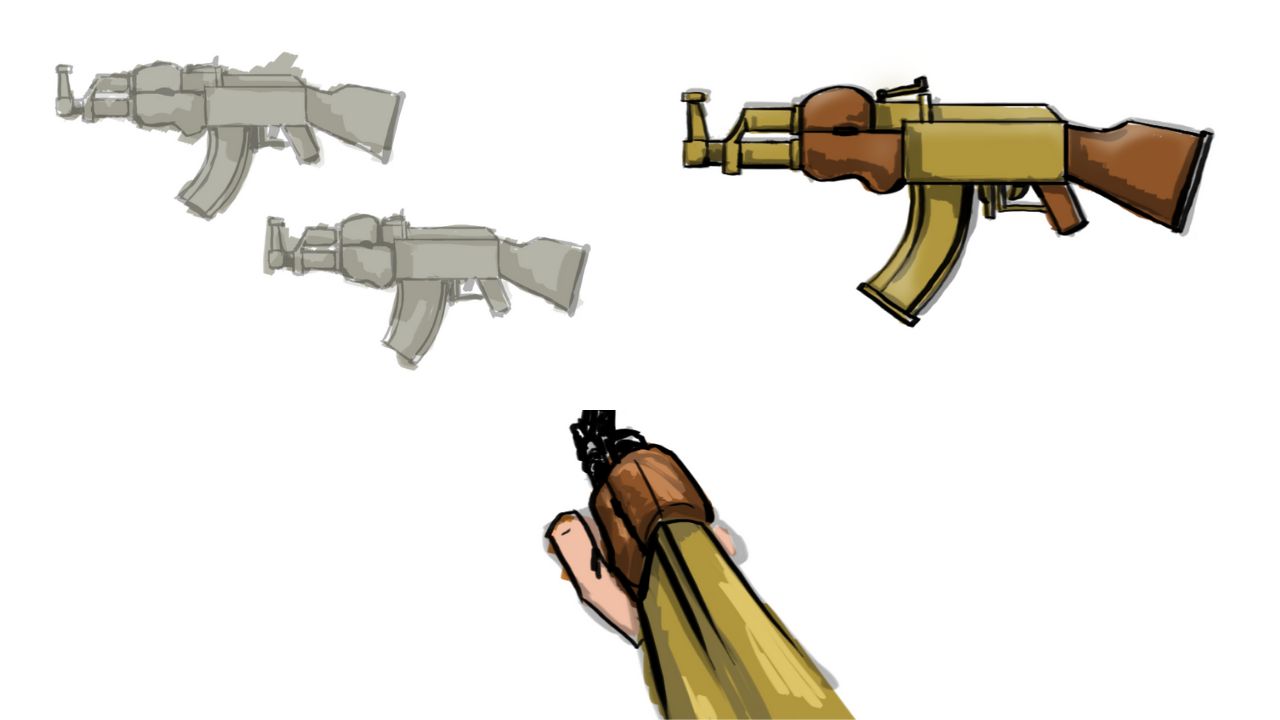
After introducing you to the game characters' initial conceptualization in the previous DevBlog, it is now time to design the weapons that the characters use.
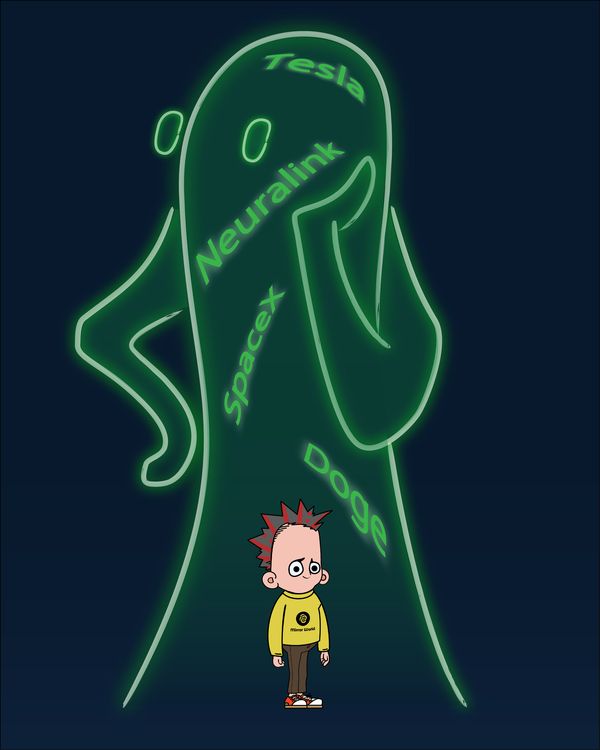
Mirror World (a GameFi Project that uses AI to create 3+ asset-sharing games) recently announced they had raised more than $4 million in seed round financing.
The necessity for provable on-chain random numbers in blockchain using true random number generators (TRNG) and the solution from High Performance Blockchain.
Interest in meme coins has never been higher. On May 7th, podcaster Laura Shin released an episode (641) on why meme coins have been 2024’s most profitable trad
Game developers decided to return people's motivation to sports. This article is about StepN and other move-2-earn projects where users get tokens for a run.
The metaverse has taken the world by storm, introducing a completely new perspective on reality. Today, the closest thing to the metaverse can be seen in Game.
Explore the revolution in gaming with blockchain.From CryptoKitties to advanced game,see how blockchain changes play,offering real asset control and experiences
The Web3 space has seen its fair share of value propositions come and go throughout the years, with some living up to expectations, and others not so much.
Solutions that DeFi can offer to play-to-earn projects. How to improve the in-game economy and create profitable projects for players. The answer is DeFi.
The biggest problem with the metaverse currently is the lack of technology and infrastructure to support a seamless and cohesive virtual world experience.
GameFi is a new monetisation model that will let gamers earn money from gaming. But how will it work and what can we expect from this new form of monetisation?
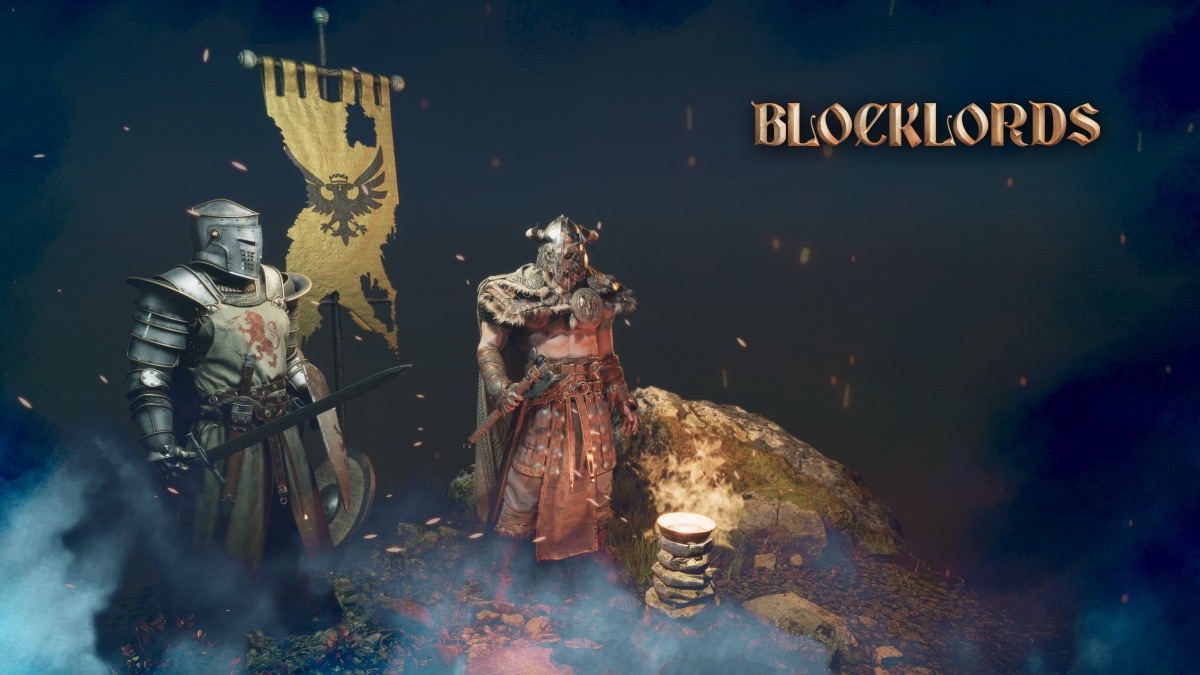
Despite GameFi's controversial reputation. Metakings Studio believes that it has tackled the GameFi implementation problem with the release of BLOCKLORDS.
When designing and developing web3 games, there are a few different ethical considerations to take into account. Read about these ethical considerations.
The gaming industry is at an inflection point, as platforms go from fragmented experimentation with blockchain technology to potential mass implementation of P2
Switch from P2E to P&E to garner long-term sustainability within GameFi. Join OpiPets as they utilise P&E and storytelling to catalyse GameFi's mass adoption!
Dive into the Web3 Gaming Revolution as WAGMI Games and Alex Becker redefine the landscape. From strategic alignment to tokenomics triumph game has just begun
An interview with Don Norbury, Head of Studio at Shrapnel. Don explains how GameFi is the future of online gaming and why Shrapnel stands out from the rest.
Do you want to start investing in NFT? Find out how to invest in NFTs in detail, reviewing the best NFTs and the top pitfalls to avoid before you start to buy a
Why does the number of users in Metaverse crypto companies grow slowly or even decrease? How to onboard more users in your Metaverse project? All the answers a
Late last year when I pitched Pocket Arena to crypto VCs, some of them were not impressed that Pocket Arena is basically running on centralised governance and structure ( database & private blockchain), and that Pocket Arena will use the public blockchain ( Ethereum side-chain which we are currently developing) for end user’s P2P game item trading and the ownership purpose only. Instead, they seemed to prefer a project that runs 100% on-chain. Even though I explained why a gaming service should not be 100% on-chain, they were not bothered about that.
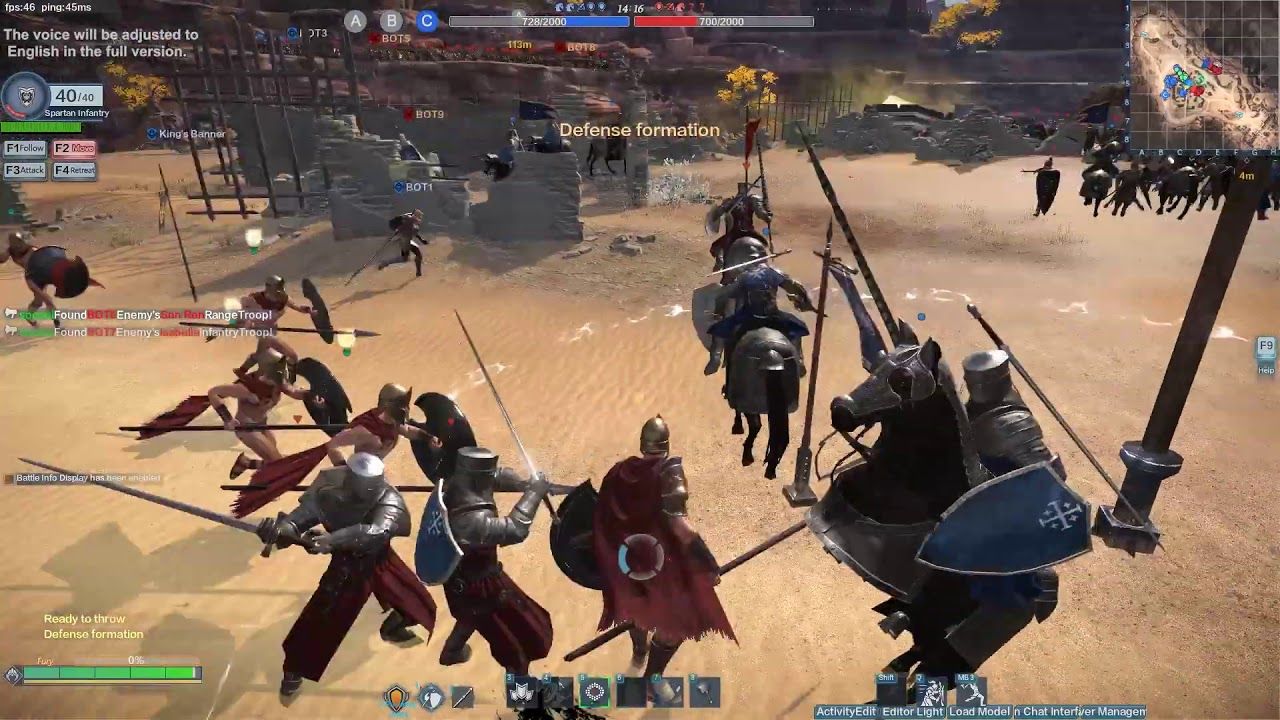
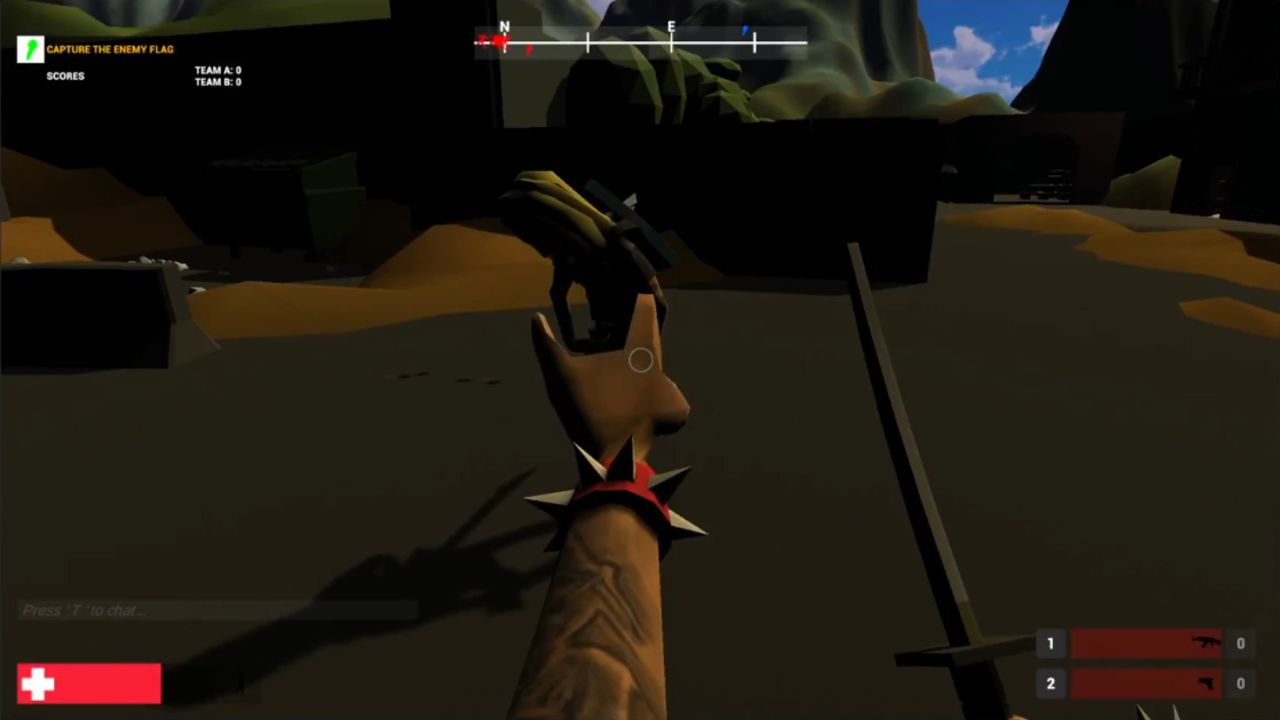
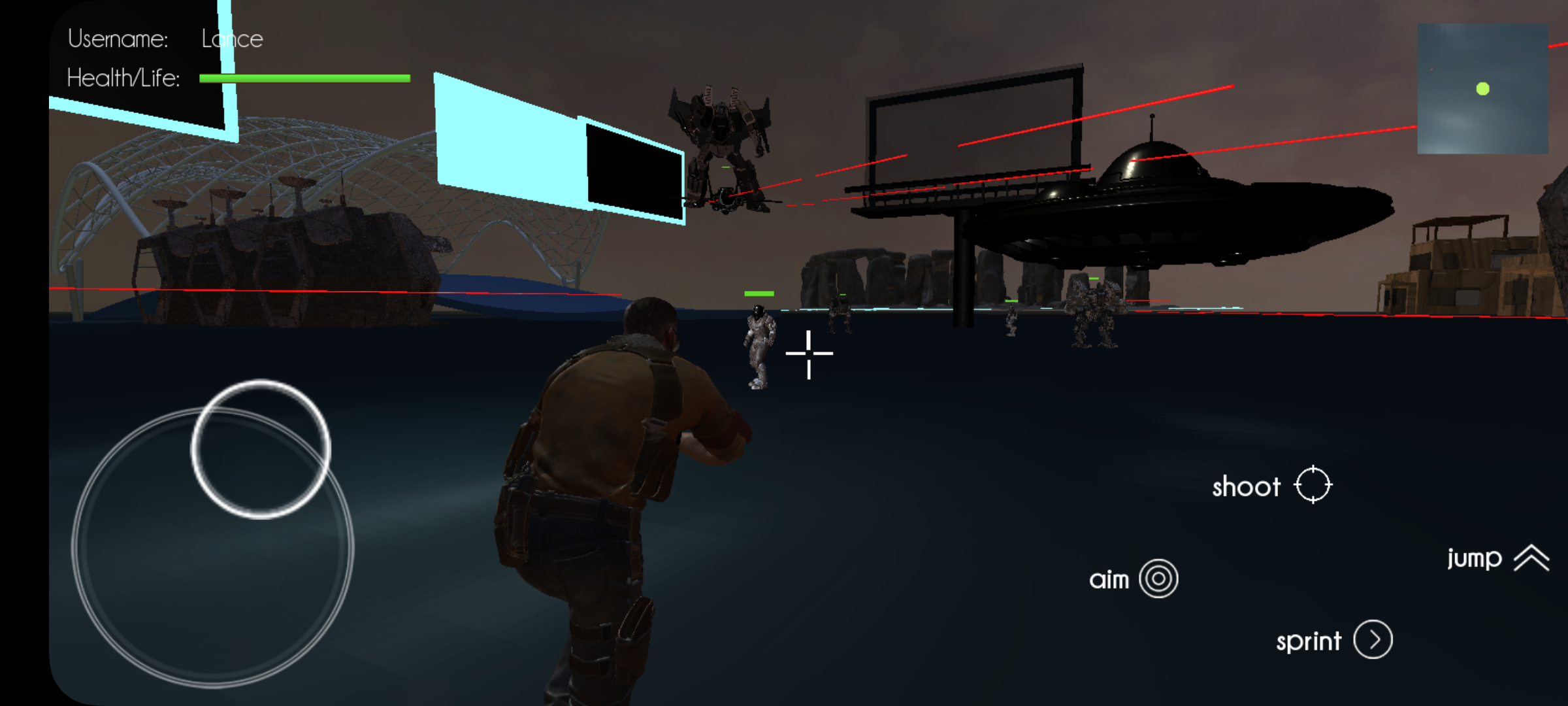
We understand how difficult it is to find 10 players to play with, especially for a new indie game. Can you imagine playing a first-person shooter without anything to shoot at? It simply didn't make sense. As a result, we decided to include bots in the game so that players could play even when their buddies were unavailable.
Wayra, Telefónica's open innovation initiative, invests in Champion Games. The video game studio in Barcelona has created Metasoccer, the first soccer metaverse in which you can manage your own club and generate income while playing. The game is aimed at both play-and-earn players and soccer fans interested in getting into the metaverse and web3 gaming.
Web3 and GameFi are a jungle to promote your brand in. Where should you focus your marketing efforts to build the future of gaming in 2022? And how to navigate
Skrice Studios has announced the completion of its $5.5 million initial fundraising round for Heroes of Mavia, a blockchain-based play-to-earn strategic game.
GameFi promised players real ownership and income. But market crashes and hacks exposed its fragility—while platforms like The Sandbox explore a different model
As blockchain technology grows in popularity, so does its number of valid applications in and beyond finance. One such example is GameFi, an innovative in-game economical system that allows players to have a greater influence on a game's economy and development.
Blockchain gaming has come a long way since Huntercoin debuted in 2014. Since then, developers - primarily blockchain developers, not game developers - have been experimenting with how to mix gameplay with tokenomics. From a technical perspective, the innovation that is blockchain seems poised to enable the next version of the web. However, its application to games has been mixed at best. Primitive gameplay, low production values, and shallow narratives has been the norm for most blockchain games to date.It wasn’t until CryptoKitties launched in 2017 that a blockchain game had any success in finding an audience. But when it did, the impact was jaw dropping. The game caused massive congestion on the layer 1 Ethereum network, leaving many developers skeptical of blockchain’s capacity to facilitate the kind of quality, technologically seamless experience that players are accustomed to and expect. Despite the challenges, the industry has seen improvements in recent years as layer 2 networks and better interoperability are facilitating a greater depth of gameplay. While early game structures depended predominantly on randomized chance for players to earn rewards, designs have advanced such that rewards now come predominantly from gameplay, providing much more engaging experiences. Fuelled by ongoing innovation and the explosion in popularity of play-to-earn games like Axie Infinity, the blockchain gaming industry grew by a staggering 765% in 2021 versus the previous year. Metaverse spaces like Decentraland, The Sandbox, and Somnium Space are also making waves as they redefine the creative and economic boundaries of how players can engage with virtual worlds. Irrespective of the growing market, there’s no hiding from the fact that traditional players are extremely resistant to blockchain in gaming. Major publishers that have recently announced their intentions to integrate NFTs into new and existing games have faced vociferous pushback from gamers who do not see any tangible benefits of the technology. Instead, they argue that NFTs are simply a scheme to charge more for in-game purchases. The introduction of free-to-play microtransactions - purchases that unlock specific features or give players unique abilities, characters, or content - has left many gamers feeling taken advantage of. It’s little wonder players are suspicious of blockchain’s utility.It’s more interesting to think of blockchain as a collection of composable microservices that provide novel player experiences, rather than a provenance technology that gets crammed into a game without first considering how it can be used to enhance what’s already great about that game. Gamers don’t fire up a session to explore a new financial infrastructure; we want an adventure where we transcend the real world and perhaps embody a totally new persona. In order to build player trust, studios need to focus on amplifying what players already enjoy. When implemented effectively, blockchain offers a system of services that can enhance gameplay and utility. The common thread that interlinks these services is player empowerment. Whether that's the ability to trade or sell their in-game purchases or having a vote on a game’s governance and feature roadmap. By minting items, XP, and avatars, players ensure transparent verification and traceability of their assets, increasing trust in the process of exchange and providing a way for players and creators to be rewarded for user generated content. On the governance side, DAOs and other voting mechanisms can be integrated into game infrastructures to increase player involvement in the design of the games they invest so much time in. Where players have previously felt excluded from the direction and development of a franchise, blockchain democratizes the process, making it possible for players to design, develop, and remold games based on their experiences. It’s a little scary, empowering players to this degree, but it’s really just an extension of the feedback loop developers already employ in games-as-a-service. Where a few studio execs have previously driven innovation, updating gaming infrastructure in this way can enable the real time integration of players into the creative process. After all, we’re not designing our game; we’re designing their game. Blockchain has obvious potential, but we have to address player objections before it can evolve much further. The low production values and shallow gameplay of the few blockchain games in the market has made traditional gamers suspicious of the technology’s capabilities to produce the kind of games they know and love. We have yet to see a AAA game that prioritizes gameplay, rich graphics, and compelling narratives, while backending its infrastructure with blockchain technology to empower players and create new experiences. It’s a tall ask, but we’ve been here before. It’s easy to forget that the shift from premium to free-to-play was just as contentious.
Blockchains allow gamers to gain control over both the digital items they use, as well as voice their concerns and suggest changes via governance tools.
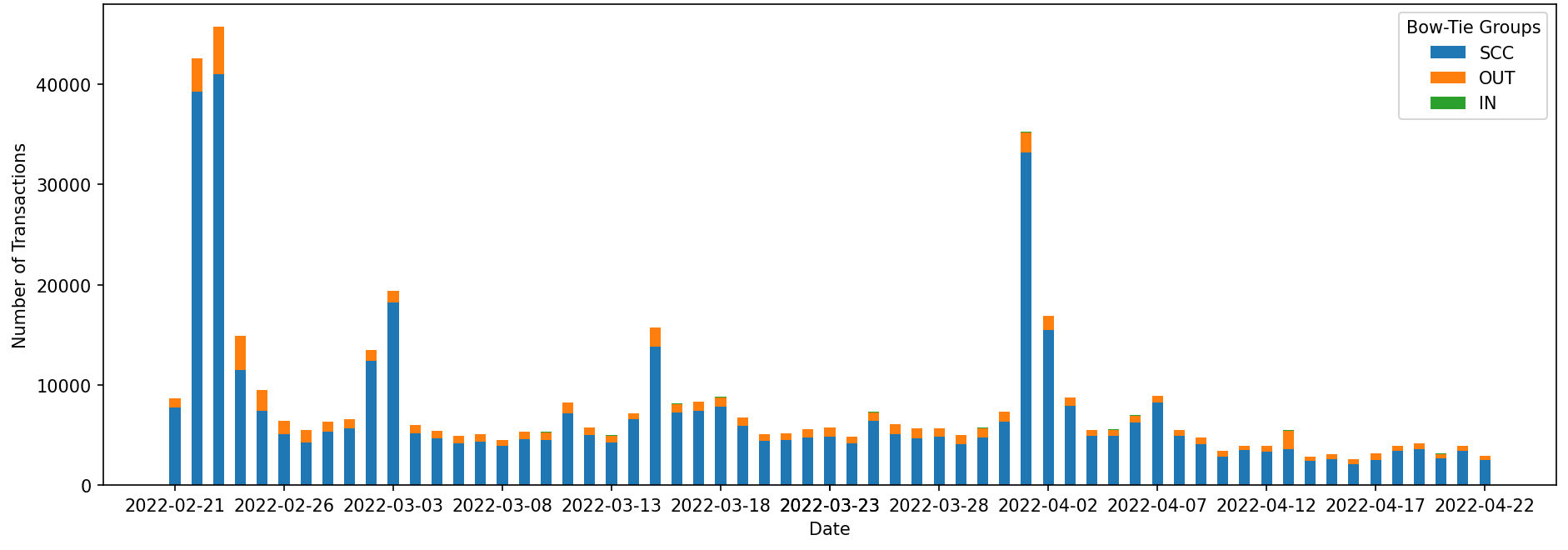
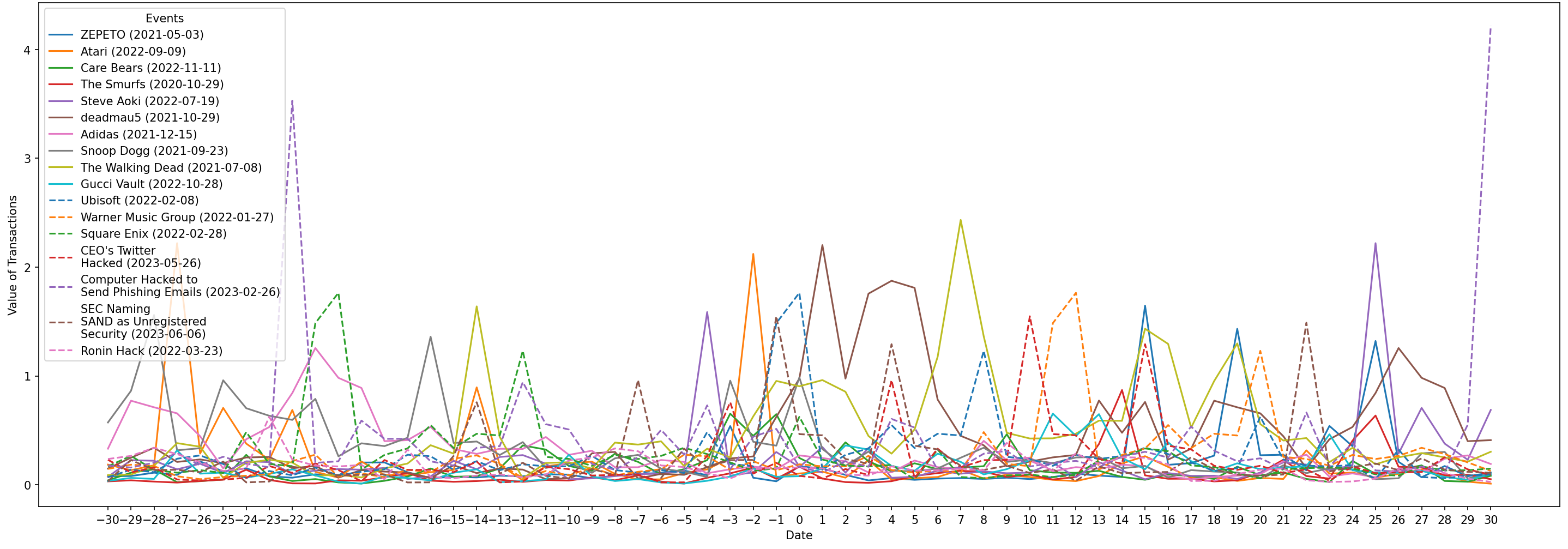
A network analysis of The Sandbox reveals how core users, investors, and whales drive activity—and why celebrity partnerships rarely create lasting growth.
Today, the integration of blockchain technology is set to take things to a whole new level, making it the perfect moment to analyze the evolution of gaming...
To state the obvious, GameFi is one of the most appealing sectors for newbie users within the crypto space. It successfully attracts users who are not into the complex technological solutions of DeFi projects. Secondly, GameFi has given retail investors more opportunities to enter the market.
Earning is nice, too, but users want to see GameFi adoptions where the fun and actual gaming experience is more important than the game's monetization.
Explore the growing Web3 gaming market in MENA with Faizy Ahmed. Get insights on blockchain gaming, play-to-earn models, and Astra Nova's innovative approach.
An overview of Enjin and its ecosystem updates for 2022 to see how it will change and evolve in the year to come thanks to new opportunities for the system.
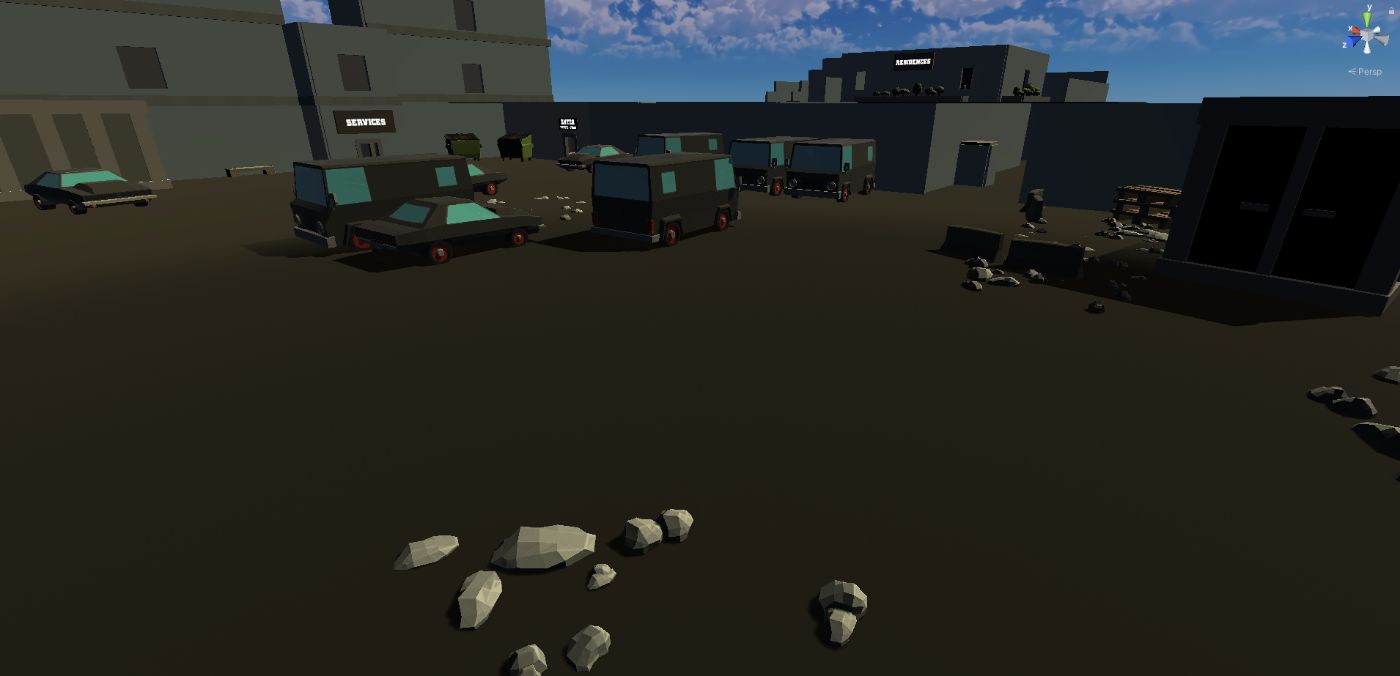
The Last Country is the first blockchain-based game in the MetaPlan series and a construction and management simulation (“CMS”) game set in a post-apocalyptic w
A network analysis of The Sandbox reveals how whales, external events, and user behavior shape GameFi activity and resilience in decentralized gaming ecosystems
In traditional gaming, microtransactions allow companies to receive billions, but gamers receive zero monetary benefits in return for their time investments.
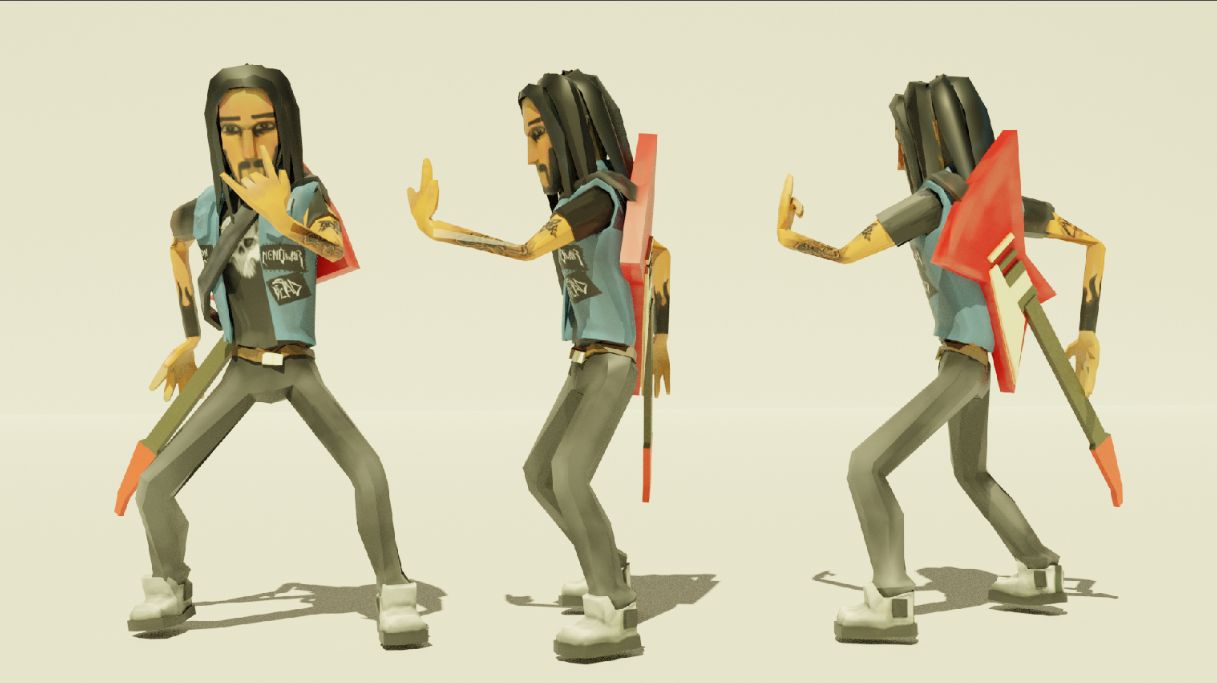
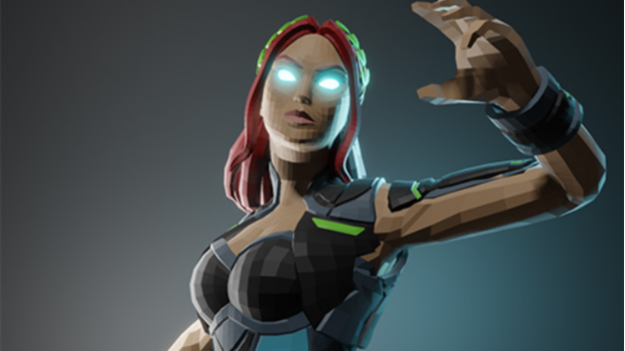
Nearly Friendly Tribes is an upcoming FPS game that we have been developing and perfecting over the past few months. As we work towards launching the game, we recognize the need for a diverse and interesting cast of characters for our players to enjoy. This has led us to start designing new characters, each with their unique vibe and style. We are excited to announce that our latest addition to the game is the Blues character.
GameFi concept (derived from ‘DeFi’ (decentralized finances) and ‘game’) was introduced in September 2020 by Andre Cronje, Yearn.Finance core contributors and ‘Father of DeFi’. But is GameFi the next big thing?
The esports industry has experienced a significant expansion over the past ten years, and the introduction of blockchain technology and P2E games has the potential to completely revolutionize the sector.
India's gaming sector has achieved 38% astronomical growth and is expected to exceed $ 5 billion by 2025. India, home to 420 million onlinegamers, is also second only to China.
The metaverse builds on blockchain's possibilities and the borderless world guaranteed by cryptocurrencies. It extends the physical, taking activities to the digital realm and into the interactive virtual world. In 2021, metaverses were fused with play-to-earn (P2E) blockchain games, introducing new and better experiences. Besides, it became normal for established corporations to participate, spending millions to purchase digital land. Although virtual real estate can't be visited physically, its provenance and security are the main allure. Digital land is sold as NFTs, secured by public ledgers such as Ethereum, existing as forgery-free digital certificates.
Shipping a real mobile game in an emerging market revealed how product decisions around performance, sessions, and monetisation shape product–market fit.
What if I told you that the Metaverse already exists, that there is a vibrant oasis filled with hundreds of thousands of people who spend endless hours hopping across digital worlds, hanging out, drinking, falling asleep, and even falling in love together?
Web3 is creating waves of excitement in the world of tech. I spoke with Justin Wu, founder of the web3 community DCENTRAL, to discuss the industry's future.
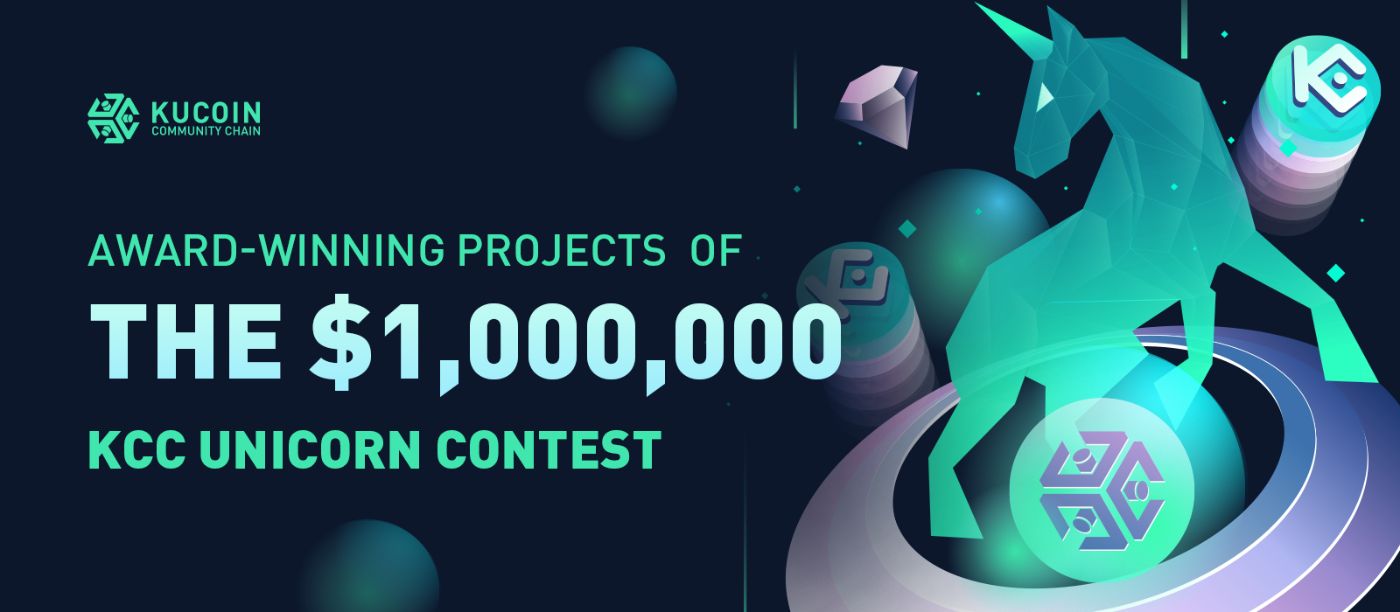
KuCoin Community Chain (KCC) has announced the KCC Unicorn Contest has ended, with 14 projects winning an incentive prize pool of approximately $1 million, incl
To add to the ever-growing list of progressions within the crypto world, IGO launchpads are helping accelerate the growth of the GameFi industry by investing.
Football is embracing Fan Tokens and the blockchain as the sport evolves through the pandemic and embraces the potential for Web 3.0 and other technologies.
The global gaming community is currently witnessing large-scale adoption of Play-to-earn gaming. This piece explores the drivers of this increasing success.
E-sports teams and players, as well as casual gamers, can now compete for crypto on any game, on any platform capable of streaming to twitch, Facebook Gaming.